
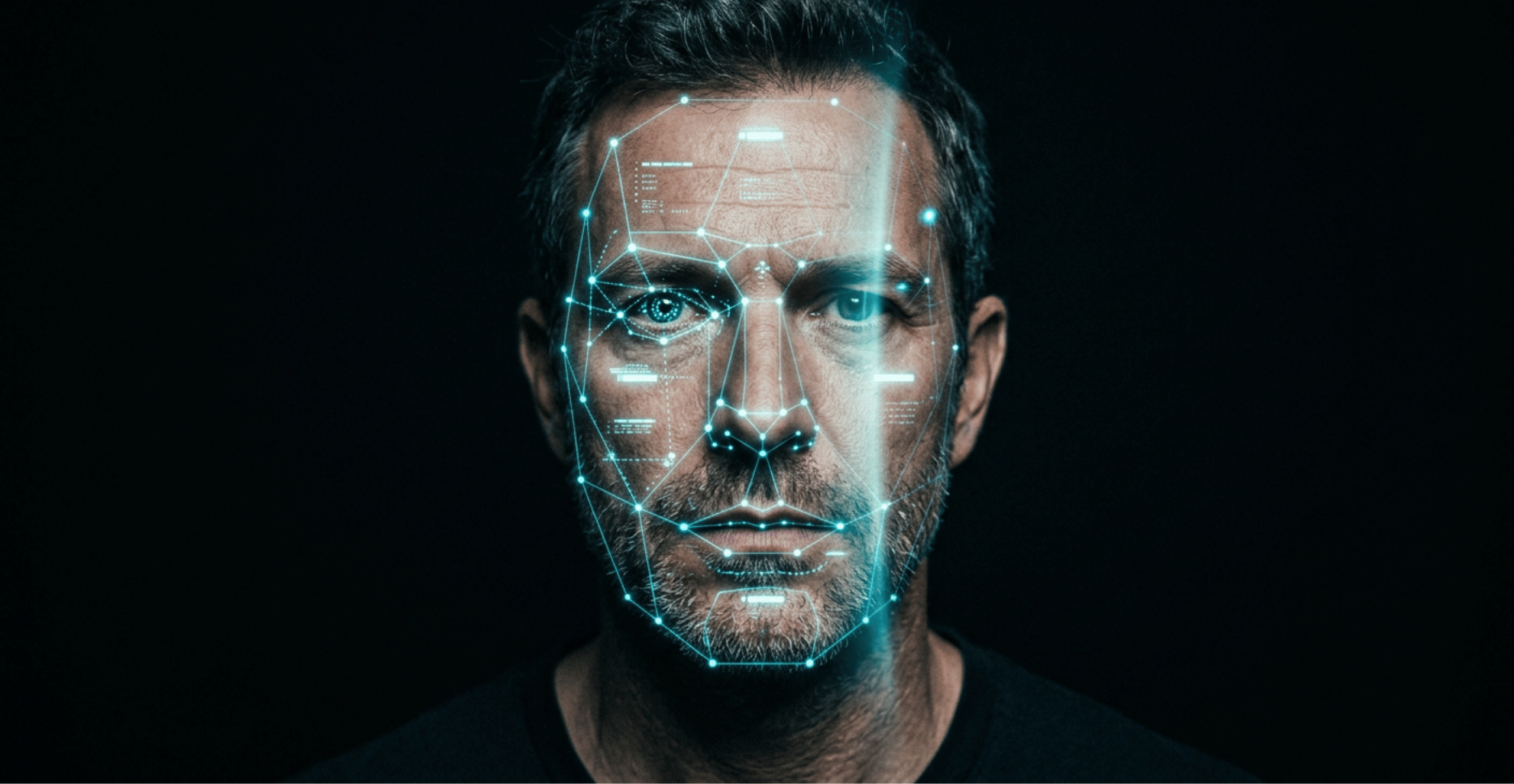
Every vehicle transaction begins with trust—but dealerships need more than a customer’s word to establish identity. Whether a customer is purchasing a vehicle or taking delivery of a service loaner, dealerships need a reliable process for verifying identity and validating insurance to help mitigate fraud risk.
As deepfake technology becomes increasingly sophisticated, traditional approaches to identity verification face new challenges. Fraudsters may attempt to use manipulated images, videos or other digital techniques to impersonate legitimate customers, making it increasingly important for dealerships to understand how these attacks work and how layered verification can help identify potential risks.
In its May 2026 research, Deepfake Identity Threats: Mitigate Risk in Identity Verification and Face Biometrics, Gartner examines this evolving threat landscape and emphasizes the importance of a multilayered approach to identity verification.
Two attack methods deserve particular attention: presentation attacks and injection attacks.
1. Presentation Attacks: When a Fake Is Presented to the Camera
A presentation attack occurs when someone presents an artificial representation of a person to a camera during biometric verification.
For example, an attacker might use a photograph, display a manipulated video on a screen, or employ another artificial representation in an attempt to impersonate a legitimate customer.
The objective is to deceive the verification system into accepting the presented image or likeness as a genuine person.
As deepfake technology improves, distinguishing authentic faces from manipulated representations can become more challenging. This makes effective presentation attack detection an important component of biometric identity verification.
2. Injection Attacks: When Manipulated Media Enters the Digital Process
Injection attacks take a different approach.
Rather than presenting a fake image or video to a physical camera, an attacker attempts to introduce manipulated media directly into the digital verification process. One example is using a virtual camera to feed altered video into an application.
Because the manipulated media may bypass the normal camera-capture process, these attacks can pose a different challenge from traditional presentation attacks.
The distinction matters: defenses designed to identify a fake presented to a camera may not, by themselves, address every way manipulated media can enter a verification system.
Why One Layer of Verification Isn’t Enough
Detecting deepfakes is a moving target. As the technology used to create them evolves, organizations need to consider more than whether a face appears authentic.
Gartner recommends a multilayered approach that considers both attack detection and additional contextual signals. The objective is to evaluate identity-related risk from multiple perspectives rather than relying on a single result.
A comprehensive approach can include several types of trust signals:
- What the customer has: Physical identification documents and the mobile device used in the process.
- Their unique features: Biometric signals used to help verify that the person is who they claim to be.
- Contextual signals: Information such as location, device characteristics and behavior patterns that may help identify anomalies.
- Source corroboration: Checking identity information against trusted databases.
These signals serve different purposes. Biometrics help evaluate the person presenting themselves, while contextual information and trusted data sources can provide additional evidence to consider.
For example, even when an initial biometric check does not flag a problem, other signals may reveal inconsistencies that warrant further attention.
No single method guarantees that every attack will be detected. A multilayered approach, however, can provide a stronger basis for identifying potential risks than reliance on one check alone.
What This Means for Automotive Dealerships
Dealerships regularly need to establish customer identity and confirm insurance information during vehicle purchases and service loaner transactions. These steps help protect dealership assets, support compliance efforts and reduce exposure to potential fraud.
As identity-related threats evolve, dealerships should consider whether their verification processes evaluate multiple trust signals and whether those processes are applied consistently at key customer touchpoints.
Questions worth asking include:
- Does the verification process incorporate biometric identity checks?
- Does it evaluate physical identification documents and other relevant identity information?
- Are contextual signals and trusted data sources considered where applicable?
- Is insurance information validated as part of the overall dealership workflow?
- Can the process be used consistently in the showroom, service drive, at vehicle pickup and with remote customers?
The goal isn’t simply to add more steps. It’s to establish a practical, consistent process that helps dealerships make more informed decisions while keeping customer interactions manageable.
How CLEAR® Identity Verification and Gather Help Address These Needs
CLEAR identity verification technology evaluates multiple trust signals, including what a customer has, their unique biometric features, contextual signals and corroboration against trusted databases.
Gather incorporates CLEAR identity verification technology directly into its dealership workflow and brings it together with insurance validation.
Through a streamlined, QR-code-based process, dealerships can support identity verification and insurance validation across key interactions, from the showroom to the service drive and vehicle pickup, including remote customers.
By bringing these processes together, Gather helps dealerships strengthen their approach to identity verification, support compliance efforts and mitigate fraud risk without treating identity and insurance checks as separate, disconnected tasks.
Take a Multilayered Approach to Dealership Risk
Deepfake attacks are evolving, and identity verification strategies need to account for more than one potential threat. Understanding the differences between presentation and injection attacks is a useful starting point.
Gartner’s research reinforces the importance of evaluating multiple trust signals and considering identity-related risk in context.
For automotive dealerships, these findings underscore the importance of a thoughtful approach to identity verification. Gather builds on that need by bringing CLEAR’s multilayered identity verification technology and insurance validation together in one streamlined workflow.
Want to see how Gather works? Schedule a demo.